Stop thermal throttling in its tracks. Discover the best phone cooling solutions for marathon gaming sessions and peak performance.
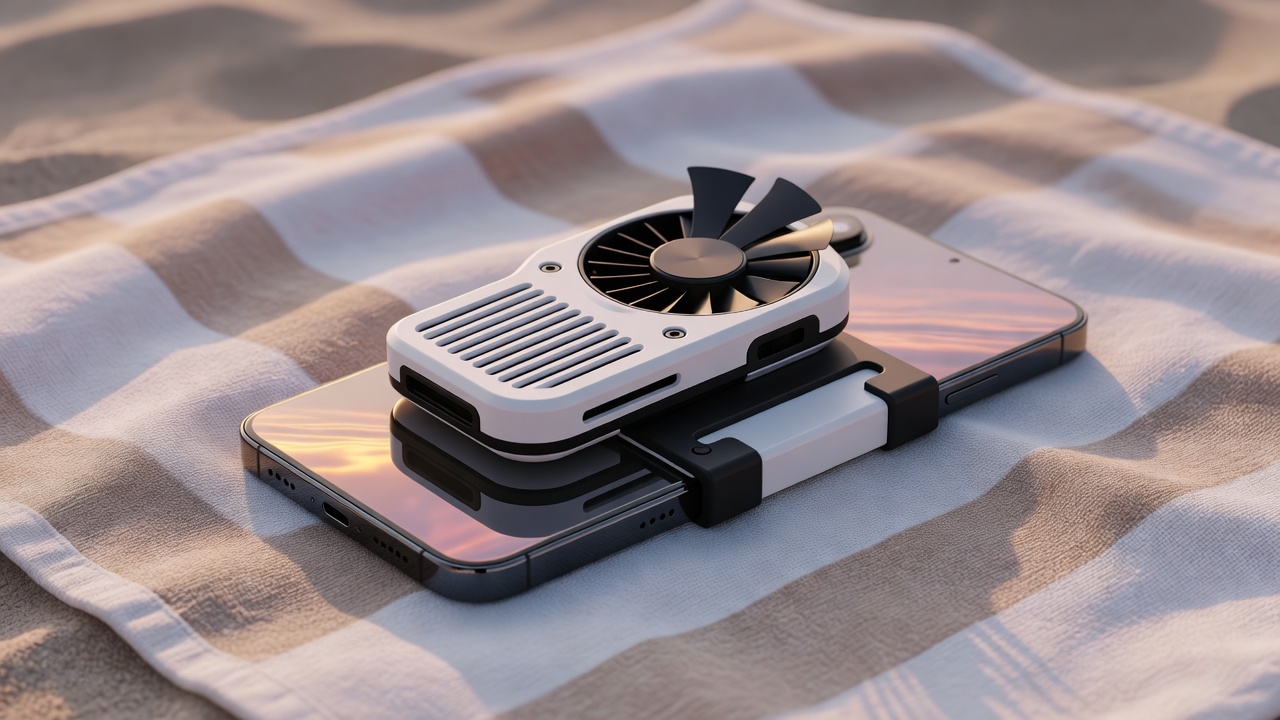
Your smartphone is a powerhouse — but it has one critical weakness: heat. As you game intensively, your phone's CPU and GPU generate tremendous thermal energy. Without proper cooling, your device has only one defense: slow itself down.
Beyond immediate performance, sustained high temperatures accelerate battery degradation. Studies show that operating consistently above 45°C can reduce battery capacity by 20% within 6 months of regular use.
From basic fans to advanced semiconductor coolers — find the technology that matches your gaming style and budget.
Using Peltier/TEC (Thermoelectric Cooler) technology, these devices actively pull heat away from your phone's back panel. They create a true cold side, achieving temperature drops of 10–20°C on contact surfaces.
Most EffectiveCompact fans that clip onto or sit behind your phone, increasing airflow over the device surface. Multi-blade designs move significant air volume at low noise levels, ideal for warm environments or summer gaming.
Best ValueFlat accessories placed under or behind your phone. Some use gel-based phase-change materials, others feature dual micro-fans. Great for desk gaming setups — thin, light, and discreet.
Most PortableThe premium option: a miniature liquid cooling loop combined with TEC technology. Achieves the highest cooling performance (up to -20°C) with app-controlled temperature settings. Built for serious competitors.
Pro Grade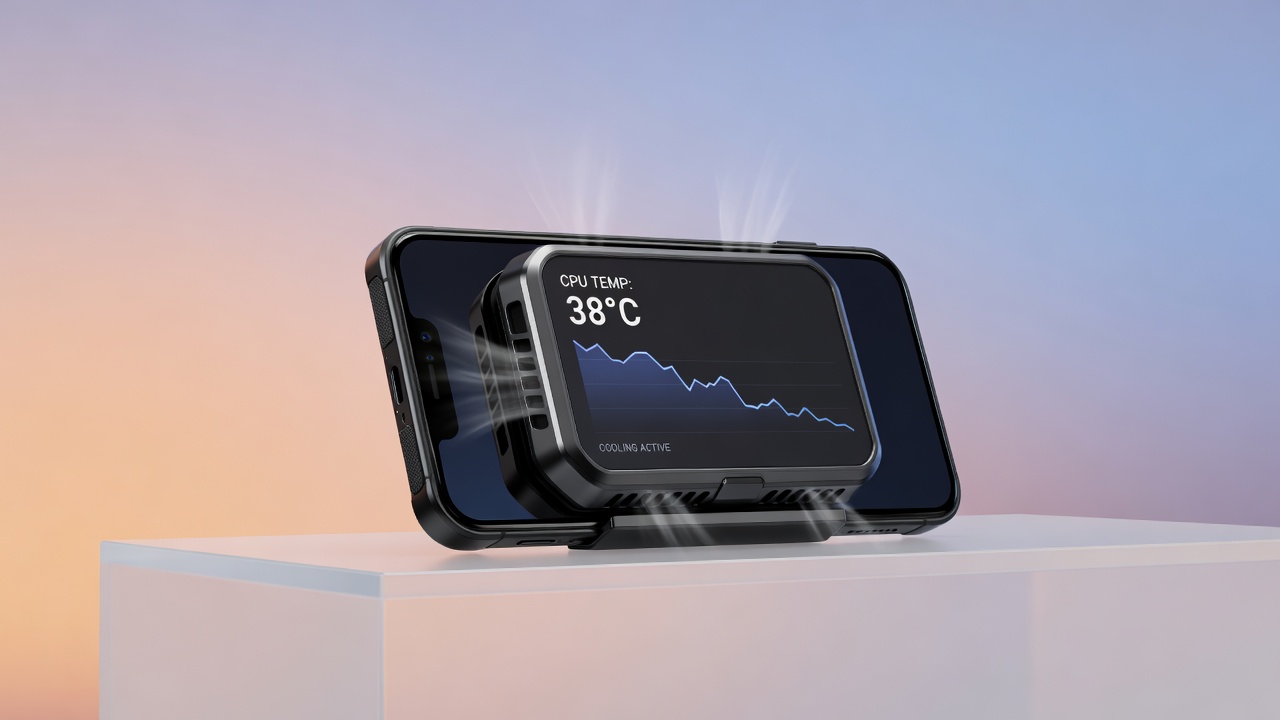
Use this at-a-glance comparison to find the right cooler for your phone and gaming habits.
| Cooler Type | Temp Drop (°C) | Connection | Noise Level | Compatibility | Price Range |
|---|---|---|---|---|---|
| Semiconductor Clip | −10 to −15°C | USB-C | Silent | 4.5"–7" phones | $25–$35 |
| Mini Turbo Fan | −5 to −8°C | USB-C | ~28dB | Universal | $15–$20 |
| Cooling Pad | −4 to −7°C | USB-A / USB-C | ~24dB | Universal | $12–$18 |
| Water-Cooled Pro | −15 to −20°C | USB-C | Silent | Most flagships | $45–$65 |
| Lightning Clip Cooler | −8 to −12°C | Lightning | Silent | iPhone (older) | $20–$30 |
Editor-tested and gamer-approved. These four coolers cover every need from casual play to professional esports competition.
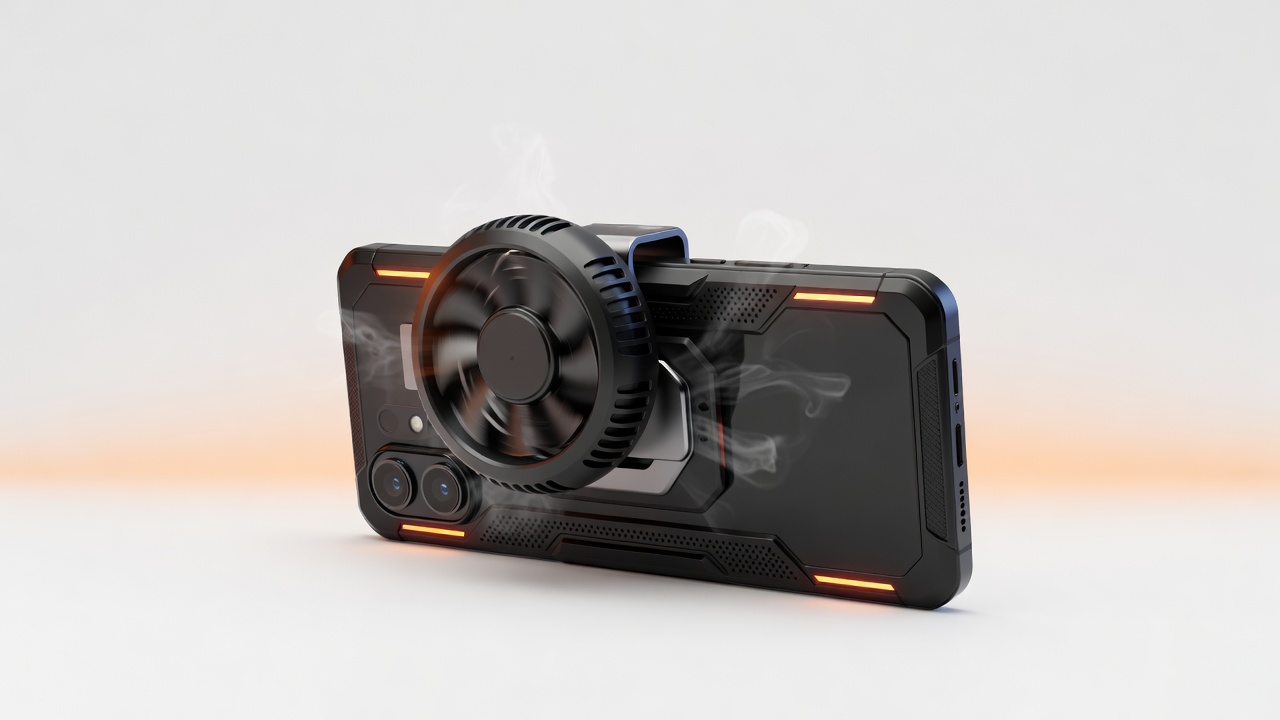
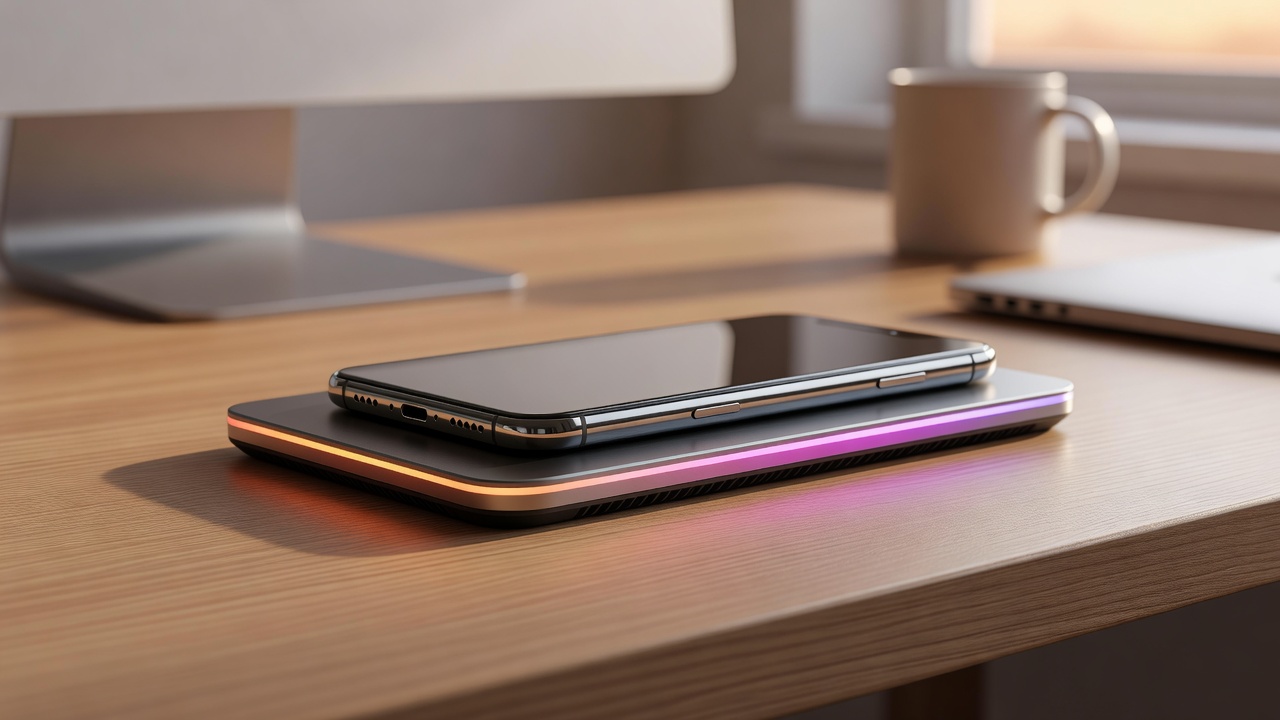

Phase-change thermal pads absorb and redistribute heat using materials that transition between solid and liquid states at gaming temperatures. They're passive, silent, and require zero power — making them ideal for outdoor play or situations where noise is a concern. Pair them with a fan cooler for a two-stage cooling setup.
Extended sessions — whether ranked grind, esports practice, or streaming — demand sustained thermal management. With the right cooler, a 4-hour session maintains the same performance as the first 15 minutes. Temperature-stabilized devices also produce less audio compression and display scaling artifacts caused by thermal protection software.
We hear the skepticism. Here are the facts, straight from thermal testing and gamer feedback.
Hardware alone isn't everything. These habits maximize the effectiveness of any cooler.
Most phone cases trap heat. Removing them allows the cooler to contact the back panel directly and improves airflow by 30–40%.
The display is a major heat source. Lowering brightness from 100% to 70% reduces display-generated heat by nearly 25%.
Mobile data radios generate more heat than Wi-Fi modules. Where possible, game over Wi-Fi to reduce modem thermal output.
Lithium batteries generate more heat when charging from 0–20% or when above 90%. Gaming at 40–80% charge is thermally optimal.
Most gaming phones have a dedicated mode that optimizes thermal management, prevents background app heat, and allocates resources efficiently.
Phone cooling works even better with the right accessories. Explore our full range.